The East African sandalwood tree (Osyris lanceolata) is an evergreen shrub species in the Santalaceae family (Orwa,2009). East Africa’s endangered sandalwood tree is being illegally harvested at a rate that could see it becoming extinct. Sandalwood smugglers target the trees for their roots, which contain the highest concentration of valuable oil. Poachers do not merely prune branches or harvest bark; they uproot entire trees, decimating populations at their source. This ruthless extraction method exacerbates the problem, as replanting and regeneration become increasingly difficult. Baringo a region with the highest concentration of sandalwood in Kenya, is now experiencing severe depletion. Despite government efforts to protect this precious resource, sandalwood faces an existential threat, with dire consequences for country’s biodiversity and ecological health. In 2013, CITES declared it a species facing extinction if trade was not controlled. The misuse of this valuable resource is causing a loss of biodiversity and a source of medicine for local communities. The overharvest of sandalwood species has led to many species now being vulnerable, in decline or extinct (Subasinghe, 2013). It does not occur communally in large numbers, which could be attributed to its slow growth and host preference. They mainly grow on unprotected lands, highlighting the importance of community involvement for a sustainable management of the species. It is from this background that the Unfinished Agenda Africa intends to promote the conservation of this species by promoting agroforestry for sandalwood and educating communities about sustainable harvesting and propagation techniques. Additionally, we will address the root causes of illegal logging and trade through awareness campaigns and strengthening community capacity to protect the species. These initiatives include encouraging communities to plant sandalwood saplings in their fields as part of agroforestry systems and promoting coppicing of existing sandalwood plants to facilitate regeneration.
]]>Numerous human activities within and around the lake threaten the unique and fragile balance of the lake causing a serious threat to biodiversity. These anthropogenic activities include clearing of natural vegetation for charcoal and firewood, urbanization and intensive river water abstraction for farming and commercial mining of salt for livestock. Domestic waste from mushrooming hotels and lodges around the lake is also adding to the pollution of this important wetland. Poor agricultural practices by small scale farmers in the upper catchment, most of which is by subsistence farmers is also a major threat to the lake. Unsustainable farming practices have led to siltation of streams and rivers in the headwaters and the lake. Furthermore, the eastern shores of the lake have been settled by a rapidly increasing population of subsistence farmers. Urbanization and infrastructure development and other types of development causing land use change are also a major threat to the lake. For instance, the ongoing construction of a big city along Mbaruk River which feeds the lake is likely to have adverse effects on the water supply to the lake. The Construction of this city without adequate mitigation measures, threatens the biophysical environment.
The Unfinished Agenda Africa therefore proposes a project for the restoration of Lake Elementaita ecosystem. The proposed project area is highly prone to erosion due to steep gradients compounded by poor land use practices and therefore is a key area for reducing land degradation. Within this context, the key environmental problem to be addressed by the project is land degradation, water pollution and loss of biodiversity. The project objective is to restore forest ecosystem and reduce land degradation in Lake Elementaita catchment area for increased protection of Lake Elementaita’s water resources, biodiversity, and associated ecosystem services. The high-level theory of change of the proposed project is that if the local community is supported to implement landscape restoration, overall threats to the Lake Elementaita and its associated ecosystem services will be reduced. The project will give priority to forest land management and restoration interventions in the upper catchment area of the lake for enhanced water and biodiversity protection. The project will also support smallholder farmers through training and facilitation to adopt best farming practices that enhance soil and water conservation measures and restore the lake’s ecosystem.
Project Budget
USD 50000
Want to support this project?
Want to support this project?
]]>
Goal
The Project Development Objective (PDO) is improved Food security and nutrition as a consequence of increased food production by the target beneficiaries.
Specific Objectives:
- Enhanced household food security and nutrition
- Increased awareness on sustainable farming practices
- Improved savings by the beneficiaries through reduced purchase of vegetables induced by self-production
- Enhanced resilience of beneficiaries to climate change
Project summary
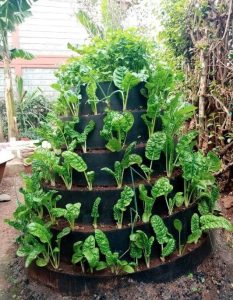
The Project beneficiaries will be people living with disabilities (PLWDs) residing in urban slums of Nakuru County. The project targets 50 beneficiaries and all of them will be drawn from people living with disabilities of mixed gender. Many families living with disabilities lack food supply at the household level and they struggle to meet their nutritional needs, due to their conditions. The gardens are designed in a way that they withstand rainy season and need little water in dry season. The vegetables are chosen to meet exactly the nutritional needs of the beneficiaries. The beneficiaries will receive specific assistance from the project which will include materials for making a complete multi-storey garden made of 6 layers and supported technical backstopping. These materials will include an already assembled polythene sheeting for the garden and organic manure. The initiative will empower beneficiaries through capacity building and boosting of savings made through production of own food and potential income from sales of produce. The Unfinished Agenda Africa will conduct active beneficiary identification, sensitization and capacity building on the importance of urban farming, available innovative techniques applicable in their own spaces and demonstrations on how it’s practically done. This type of farming is considered land sparing because it enables large quantities of food to be produced in a variety of small spaces. Therefore it is appropriate for this setting
Project Budget
EURO 7000
Want to support this project?
]]>